Tsuneko
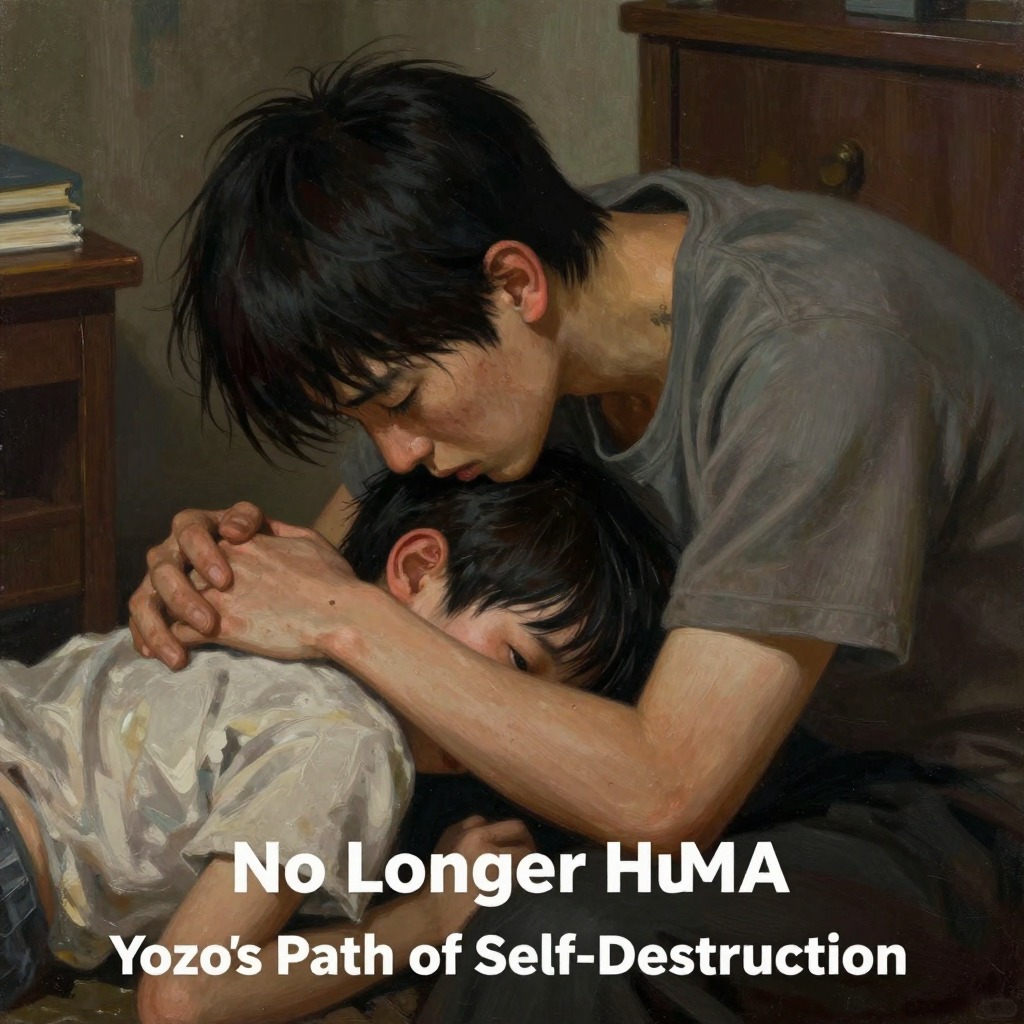
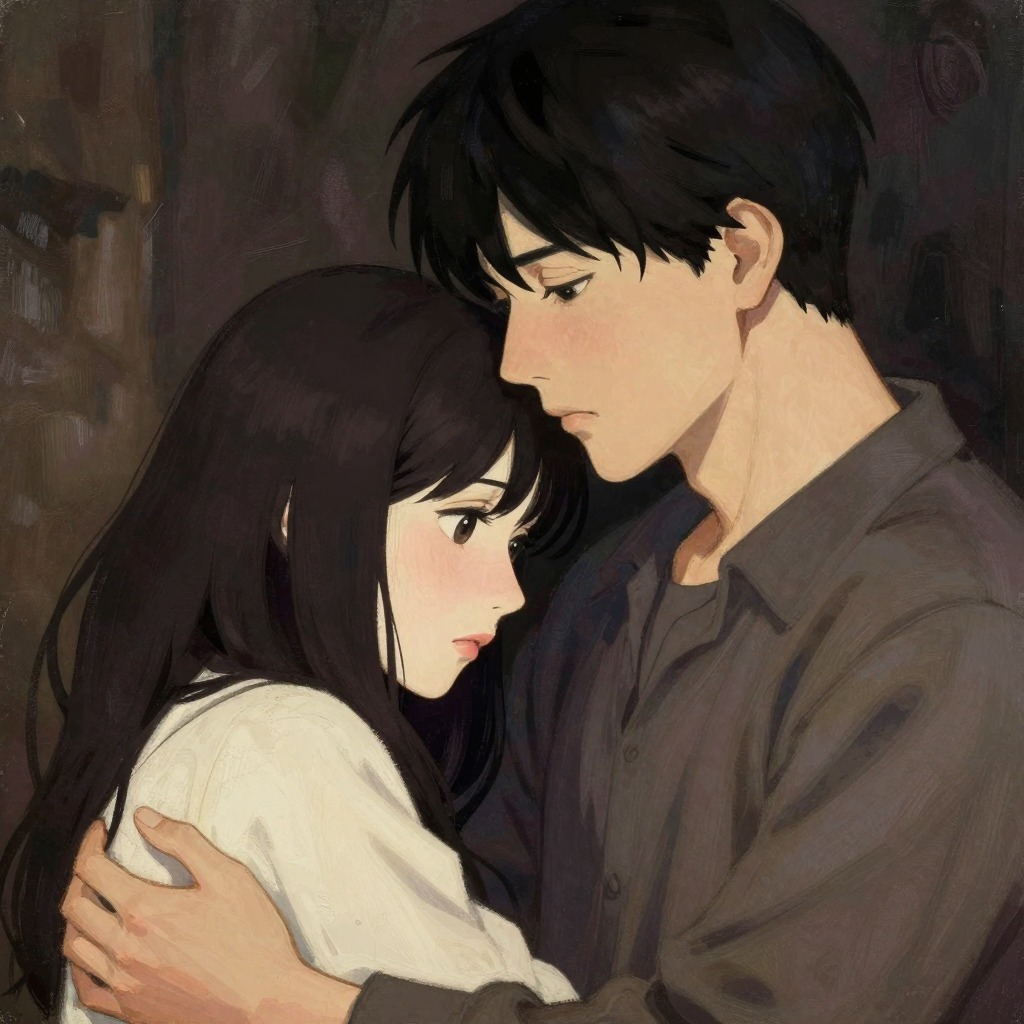
Tsuneko is a waitress at a café on the Ginza, a married woman from Hiroshima who becomes the central figure in Yozo's first suicide attempt and the only person he ever acknowledges loving. Her brief but decisive presence in his life marks a turning point: she is the first woman toward whom he feels a positive, if feeble, movement of love, and her death in the waters of Kamakura leaves him with a wound that never heals.
Identity and Background
Tsuneko is two years older than Yozo and comes from Hiroshima. She tells him that she has a husband, a former barber in Hiroshima with whom she ran away to Tokyo at the end of the previous year. In Tokyo her husband could not find decent work and was eventually arrested for swindling; at the time of her affair with Yozo he is in jail. She has been visiting him in prison every day but decides, the night she meets Yozo, to stop going. She lives in a rented room on the second floor of a carpenter's house. Yozo's memory of her name is blurred—he writes that he is "the sort of person who can forget even the name of the woman with whom he attempted suicide"—but he remembers with absolute clarity the bad sushi he ate at a stall while waiting for her to finish work, and the close-cropped head of the old sushi chef whose face he could still draw years later.
The Night of Liberation
When Yozo first lies beside Tsuneko in her room, he experiences something entirely different from the sound sleep he found with prostitutes. She does not speak the words "I feel so unhappy," but something like a silent current of misery an inch wide flows over the surface of her body. Lying next to her, Yozo's own harsher current of gloom mingles with hers, and he feels freed from fear and uneasiness. He calls that night "a night of liberation and happiness," adding that the use of so bold a word affirmatively will not recur in his notebooks. In the morning, however, his habitual terror returns: he is impatient to leave before he gets wounded by happiness itself, and he spreads his usual smokescreen of farce, delivering a mock-serious disquisition on the proverb "Love flies out the window when poverty comes in the door."
The Second Encounter and Horiki's Cruelty
A month later, Yozo brings Masao Horiki to the same café. Tsuneko sits beside Horiki, and Yozo watches in shock as Horiki prepares to kiss her. He feels not regret—he has never craved possessions—but pity for Tsuneko, who must accept Horiki's savage kisses. The situation takes an unexpected turn: Horiki scowls and refuses to kiss her, declaring that "not even a lecher like myself can kiss a woman who looks so poverty-stricken." This judgment strikes Yozo like a thunderbolt. He drinks more that night than ever before, vomits, and loses consciousness for the first time in his life. When he wakes in Tsuneko's room, she asks if he was serious about love flying out the window, and proposes that she work to support him. He refuses. Towards dawn she pronounces the word "death" for the first time, and Yozo, reflecting on his dread of the world, money, the movement, women, and his studies, easily consents to her proposal.
The Suicide and Its Aftermath
The two of them spend the morning wandering around Asakusa. At a lunch stand they drink a glass of milk, and Tsuneko asks Yozo to pay. When he opens his wallet he finds only three copper coins. The humiliation is more strange than any he has tasted before: he sees his bleak room, his only possessions the clothes on his back, and perceives with clarity that he cannot go on living. That night at Kamakura, Tsuneko unties her sash—she had borrowed it from a friend at the café—and leaves it folded neatly on a rock. Yozo removes his coat and places it beside hers. They enter the water together. Tsuneko dies; Yozo is saved. The incident is treated prominently in the press because Yozo is a college student and his father's name has news value. Confined in a hospital on the coast, Yozo longs for the dead Tsuneko and weeps. He writes: "Of all the people I had ever known, that miserable Tsuneko really was the only one I loved."
Thematic Significance
Tsuneko embodies the poverty and misery that Yozo both dreads and is drawn to. She is the first person with whom he shares a genuine, non-performative intimacy—a night of liberation—and her death marks the end of any possibility of that kind of connection. The humiliation of having only three copper coins when she asks him to pay is the moment he determines, this time as a reality, to kill himself. She is also the catalyst for his first direct confrontation with the social world's judgment: Horiki's refusal to kiss her because she looks "poverty-stricken" reveals the cruelty of that world and deepens Yozo's sense of comradeship with her as a fellow sufferer. In the end, Tsuneko is the only person Yozo ever loves, and her loss hollows him out in a way that no subsequent relationship can fill.